présentiel
Event details
- Café Culturel Biblio'Thé
- 2023-04-29
- Saturday, 5:00 PM to 7:00 PM
- مجموعة العمل من أجل ديمقراطية الطاقة
Contact event manager
Book your tickets
Thank you Kindly
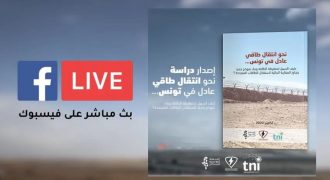
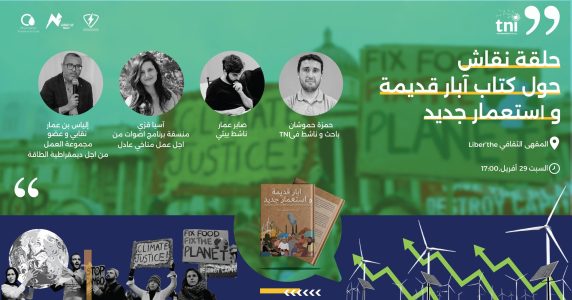
‘تقديم كتاب ‘آبار قديمة واستعمار جديد
Café Culturel Biblio'Thé
Saturday, 5:00 PM to 7:00 PM
April 29, 2023
000000
مجموعة العمل من أجل ديمقراطية الطاقة
Organizer's other events‘تقديم كتاب ‘آبار قديمة واستعمار جديد
Café Culturel Biblio'Thé
Saturday, 5:00 PM to 7:00 PM
April 29, 2023
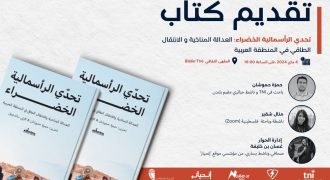
يهدف هذا الحدث الى تقديم كتاب “آبار قديمة واستعمار جديد” وهو عبارة عن مجموعة من مقالات باللغة العربية، تتناول مسألة الانتقال الطاقي في شمال أفريقيا، بالاستعانة بمنظور العدالة وإطار عمل الانتقال العادل.
تختلف الديناميات القائمة من دولة لأخرى في المنطقة وهي معقّدة، لكن هناك أيضاً تحديات وأسئلة مشتركة كثيرة:
احتياجات وحقوق من هي التي يجب أن تحصل على الأولوية في الانتقال الطاقي؟
ما هو نموذج إنتاج الطاقة – ونموذج الاستخراج – الذي يمكن أن يتيح النّفاذ للطاقة لكل الناس العاملين؟
كيف تدفع دول الشمال والمؤسسات المالية الدولية المنطقة إلى تحمل أعباء الانتقال الطاقي؟
وما هي الحلول الأكثر عدالة؟ ما الدور الذي يجب أن تلعبه الدولة في قيادة الانتقال العادل؟
وما هي إمكانات إضفاء الديمقراطية على سلطة الدولة على مسار تحقيق هذا الهدف؟
ما هي التحالفات بين الأشخاص العاملين وحركات العدالة البيئية والأطراف السياسية الأخرى بالمنطقة التي تُعَدّ ممكنة وضرورية؟
وما الدور الذي يمكن أن يلعبه التضامن والمقاومة الدوليّين في دعم هذه التحالفات؟
ويسعى الكتاب إلى كشف السياسات والممارسات التي تحمي النخب السياسية والشركات متعددة الجنسيات والنظم السلطوية والعسكرية ويحاول الإسهام في عمليات إنتاج المعرفة والمقاومة ضد سلب الأرض/الموارد والأجندات النيوكولونيالية، وذلك من أجل الوصول إلى الاستدامة القادرة على إحداث تحولات جذرية، من أسفل لأعلى، بناء على افتراض أن هذا النهج يتيح أكبر إمكانات للتعامل مع الأزمات البيئية، والغذائية، والطاقية، والاجتماعية.
وفي هذا السياق يتشرف المعهد العابر للقوميات، NOMAD 08 ، المرصد التونسي للمياه و مجموعة العمل من اجل ديمقراطية الطاقة بدعوتكم للمشاركة في حلقة النقاش حول كتاب “آبار قديمة واستعمار جديد”
وذلك بالمقهى الثقافي (Café Liber‘thé)
وفي هذا السياق يتشرف المعهد العابر للقوميات، NOMAD 08 ، المرصد التونسي للمياه و مجموعة العمل من اجل ديمقراطية الطاقة بدعوتكم للمشاركة في حلقة النقاش حول كتاب “آبار قديمة واستعمار جديد”
وذلك بالمقهى الثقافي (Café Liber‘thé)
المتدخلون:
حمزة حموشان: باحث وناشط جزائري و منسق برنامج شمال أفريقيا في المعهد العابر للقوميات (TNI)
إلياس بن عمار: النقابي بالشركة التونسية للكهرباء والغاز والعضو بـ مجموعة العمل من أجل ديمقراطية الطاقة-Gtde.
آسيا القزي: ناشطة بيئية ومنسقة مشروع اصوات من اجل عمل مناخي عادل VCA
حمزة حموشان: باحث وناشط جزائري و منسق برنامج شمال أفريقيا في المعهد العابر للقوميات (TNI)
إلياس بن عمار: النقابي بالشركة التونسية للكهرباء والغاز والعضو بـ مجموعة العمل من أجل ديمقراطية الطاقة-Gtde.
آسيا القزي: ناشطة بيئية ومنسقة مشروع اصوات من اجل عمل مناخي عادل VCA
يدير الحوار
صابر عمار: ناشط بيئي
صابر عمار: ناشط بيئي
حضوركم/كن يشرفنا
____________________
This event aims to present the book “Old Wells and New Colonialism”, which is a collection of articles in Arabic, dealing with the issue of the energy transition in North Africa, using the perspective of justice and a just transitional framework.
The current dynamics vary from country to country in the region and are complex, but there are also many challenges and common questions:
Whose needs and rights should be prioritized in the energy transition process?
What model of energy production – and model of extraction – would provide access to energy for all workers?
How are the Nordic countries and international financial institutions pushing the region to bear the burdens of the energy transition?
What are the fairest solutions? What role should the state play in leading a just transition?
What are the prospects for democratizing state power along the way to achieving this goal?
What are possible and necessary alliances between workers, environmental movements, and other political actors in the region?
What role can international solidarity and resistance play in supporting these alliances?
The book seeks to reveal policies and practices that protect political elites, multinational corporations, authoritarian and military regimes, and attempts to contribute to knowledge production processes and resistance against land/resource expropriation and neo-colonial agendas, in order to reach sustainability capable of bringing about radical transformations, from the bottom up, based on assumption. This approach offers the greatest potential to deal with the environmental, food, energy and social crises.
In this context, the Transnational Institute NOMAD 08, the Tunisian Water Observatory and the Working Group for Energy Democracy have the honor to invite you to participate in a panel discussion on the book “Old Wells and New colonialism”.
Guests :
Hamza Hamouchane: Algerian researcher and activist and coordinator of the North Africa Program at the Transnational Institute (TNI).
Hamza Hamouchane: Algerian researcher and activist and coordinator of the North Africa Program at the Transnational Institute (TNI).
Ilyess Ben Ammar: trade unionist at the Tunisian Electricity and Gas Company and a member of the Working Group for Energy Democracy-Gtde.
Essia Guezzi: Environmental activist and coordinator of the Voices for Just Climate Action (VCA) project
Moderator
Saber Ammar: Environmental activist
Saber Ammar: Environmental activist